
 By
By 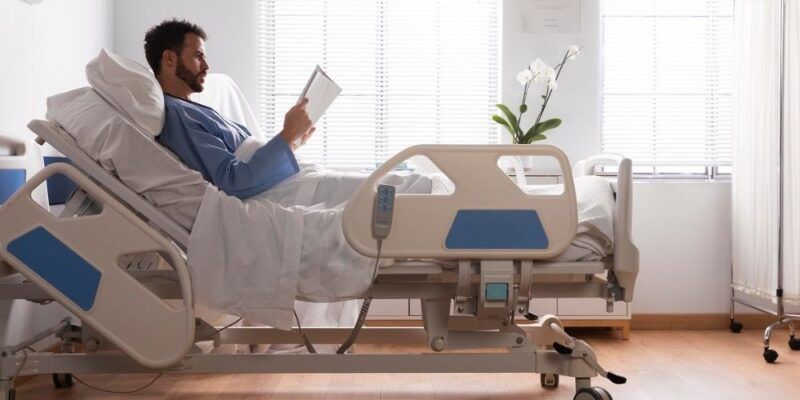
When a loved one requires extended medical care, the setting in which they recover plays a significant role in their healing process. Hospitals provide advanced facilities, but many families prefer the warmth, privacy, and emotional comfort of home. In such cases, having a hospital bed for patients at home becomes essential. These specialised beds not only ensure medical safety but also provide comfort and dignity, turning a living space into a nurturing environment.
Why Homecare is Becoming the Preferred Option
Healthcare is shifting from hospital-centered models to home-based care. With rising medical costs, growing awareness, and improved medical equipment availability, more people are opting for treatment in their homes. This has created a rising demand for Homecare Hospital Beds that offer the same functionality as their hospital counterparts while blending seamlessly into home environments.
Families often choose homecare for:
- Emotional well-being: Being surrounded by loved ones aids recovery.
- Convenience: Avoiding extended hospital stays reduces stress and logistical challenges.
- Cost-effectiveness: Long-term hospitalisation can be expensive, while homecare lowers expenses.
- Personalised attention: Families can tailor care according to the patient’s needs.
A hospital bed for patients at home becomes a bridge between professional healthcare and personal comfort.
Key Features of Homecare Hospital Beds
Modern Homecare Hospital Beds are designed with features that make them practical for both patients and caregivers:
- Adjustable positions: Head and leg sections can be elevated to improve circulation, reduce pressure, and enhance comfort.
- Safety rails: Side rails prevent accidental falls and give patients extra support when adjusting themselves.
- Mobility options: Wheels and brakes allow easy movement of the bed while ensuring stability.
- Pressure-relief mattresses: Special mattresses reduce the risk of bedsores and provide long-term comfort.
- Compact designs: Beds designed for homes balance medical utility with aesthetics, ensuring they don’t overwhelm a personal space.
These features allow a hospital bed for patients at home to deliver professional-level support while adapting to daily home life.
Benefits for Patients
For patients, the comfort of being at home on a specialised bed can make a remarkable difference. The benefits include:
- Improved comfort compared to standard home beds.
- Faster recovery due to reduced stress and familiar surroundings.
- Better sleep quality from mattresses designed for medical needs.
- Enhanced independence, with controls allowing patients to adjust their own position.
A hospital bed for patients at home offers both physical and psychological support, boosting recovery outcomes.
Benefits for Caregivers
Caring for someone at home can be emotionally rewarding but also physically demanding. Homecare Hospital Beds ease this responsibility by offering:
- Easier patient transfers with adjustable height and mobility features.
- Reduced caregiver strain through better ergonomics.
- Improved safety with built-in railings and locking wheels.
- Time efficiency as adjustments can be made quickly.
With the right equipment, caregiving becomes less stressful and more effective, allowing families to focus on emotional support rather than physical strain.
Types of Homecare Hospital Beds
Depending on patient needs and budget, there are various types of Homecare Hospital Beds:
- Manual beds: Affordable but requires physical effort to reposition.
- Semi-electric beds: Combine manual adjustments with electric controls for convenience.
- Fully electric beds: Provide optimal comfort through motorized adjustments for the head, legs, and height positions.
- Specialised beds: Designed for patients with specific conditions, such as ICU-style beds or bariatric beds for heavier patients.
Choosing the right type of hospital bed for patients at home ensures that both patient and caregiver requirements are met effectively.
Factors to Consider Before Buying a Hospital Bed for Home
When investing in a hospital bed for patients at home, several factors should be kept in mind:
- Medical needs: The type of illness and level of mobility required.
- Space availability: Making sure the bed fits comfortably within the home.
- Caregiver involvement: Which type of adjustment, manual or electric, is more practical?
- Budget: Balancing affordability with necessary features.
- Durability and warranty: Long-term reliability is crucial for daily use.
Careful consideration of these factors ensures families make an informed choice that enhances the patient’s quality of life.
The Emotional Value of Homecare Beds
Beyond their technical advantages, Homecare Hospital Beds also carry emotional significance. They allow patients to remain close to their families during challenging times, surrounded by familiar settings that promote peace of mind. This emotional connection often accelerates healing, proving that recovery isn’t just about medicine, it’s about the environment too.
Future of Homecare Hospital Beds
The need for hospital beds for patients at home is projected to increase as homecare gains popularity. Innovations are focusing on:
- Smart technology integration: Beds with sensors to check vitals and alert caregivers.
- Eco-friendly materials: Sustainable manufacturing for environmentally conscious families.
- Compact and stylish designs: Beds that blend with modern interiors without looking clinical.
- Customised solutions: Beds tailored to specific medical conditions or mobility needs.
The future points toward beds that combine technology, comfort, and aesthetics to enhance the overall homecare experience.
A hospital bed for patients at home represents more than just medical equipment; it is a commitment to care, dignity, and healing within the warmth of home. By choosing the right type of bed, families provide patients with comfort, safety, and an environment that encourages recovery. At the same time, Homecare Hospital Beds make life easier for caregivers, reducing physical strain and enabling better support.
As healthcare continues to evolve, these specialised beds will remain a cornerstone of compassionate, effective, and affordable home-based treatment. They merge hospital-level safety with the exceptional comfort of home, fundamentally redefining what care means.











Comments