
 By
By 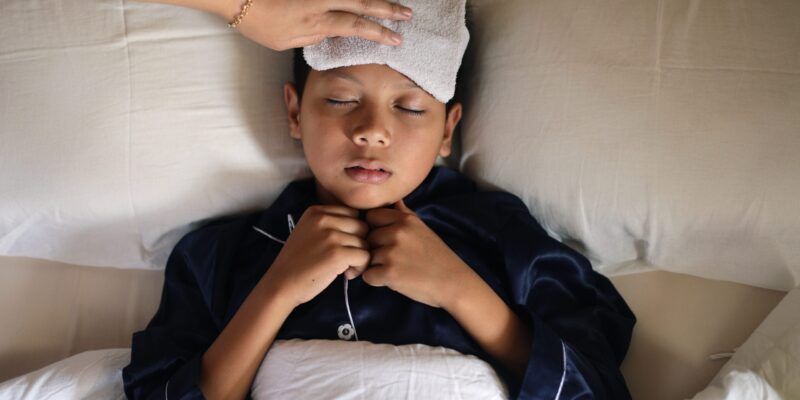
Fever is one of the most common symptoms that parents worry about when their child falls ill. Understanding whether a child’s fever is caused by a viral or bacterial infection is important because it affects how the fever is managed and treated. In this article, we will explore the differences between viral and bacterial fevers in children, helping parents recognize symptoms and seek appropriate care.
What Is Children Fever?
Children’s fever is a natural response of the body to fight infections. It occurs when the body’s temperature rises above the normal range, typically above 37.5°C (99.5°F). Fever itself is not a disease but a symptom indicating that the immune system is working to combat an infection. Both viral and bacterial infections can cause fever in children, but the causes, treatments, and potential complications vary significantly between the two.
Causes of Viral Fever in Children
Viral fevers in children are usually caused by common viruses like the flu virus, respiratory syncytial virus (RSV), adenovirus, or enteroviruses. These viruses invade the body, triggering the immune system to respond by raising the body temperature.
Viral infections often affect multiple parts of the body, causing symptoms such as runny nose, cough, sore throat, and body aches along with the fever. Most viral fevers resolve on their own within a few days as the child’s immune system fights off the virus.
Signs That Indicate a Viral Fever
When a child has a viral fever, you may notice gradual onset of symptoms like mild to moderate fever, fatigue, congestion, and sometimes mild diarrhea or vomiting. The fever usually fluctuates but does not remain very high for an extended period.
Parents should observe the child’s behavior closely. Children with viral fevers often remain playful and responsive between fever episodes, and their appetite may reduce temporarily but usually returns to normal quickly.
Understanding Bacterial Fever in Children
Bacterial infections, unlike viral infections, are caused by bacteria that invade specific parts of the body such as the throat, lungs, ears, or urinary tract. These infections often require targeted treatment with antibiotics.
Bacterial fevers tend to be more persistent and may worsen if left untreated. Common bacterial causes of children fever include strep throat, ear infections, urinary tract infections, and pneumonia.
Signs That Suggest a Bacterial Fever
Bacterial fever often presents with higher and more sustained temperatures, sometimes above 39°C (102.2°F). The child may exhibit localized symptoms such as severe sore throat, ear pain, persistent cough, or abdominal pain.
If a child’s fever persists beyond three days or worsens despite home care, or if the child appears unusually lethargic, irritable, or has difficulty breathing, it is crucial to seek medical attention promptly.
Why Differentiating Between Viral and Bacterial Fever Matters
Differentiating between viral and bacterial fever is essential because treatment differs greatly. Viral fevers usually improve with supportive care like hydration, rest, and fever-reducing medications. Antibiotics are ineffective against viruses and should not be used.
On the other hand, bacterial fevers often require antibiotic therapy to clear the infection and prevent complications. Misuse of antibiotics for viral infections contributes to antibiotic resistance, making it harder to treat bacterial infections in the future.
How Doctors Diagnose the Cause of Children Fever
When children present with fever, doctors use a combination of medical history, physical examination, and sometimes diagnostic tests to determine the cause. They look for specific signs like the duration of fever, presence of localized pain, rash, or breathing difficulties.
In some cases, blood tests, throat swabs, urine tests, or chest X-rays may be needed to confirm whether the infection is viral or bacterial. This ensures that children receive appropriate treatment based on the diagnosis.
Managing Children Fever at Home
For most viral fevers, parents can manage symptoms at home by ensuring the child stays well-hydrated and gets plenty of rest. Fever-reducing medications such as paracetamol or ibuprofen can be used according to the doctor’s advice to make the child more comfortable.
Parents should monitor the child closely for any warning signs like persistent high fever, difficulty breathing, unusual drowsiness, or dehydration. If these occur, prompt medical evaluation is necessary.
When to See a Doctor
It’s important to consult a healthcare professional if children fever lasts more than three days, if the child is under three months old with any fever, or if there are severe symptoms such as seizures, difficulty breathing, persistent vomiting, or refusal to eat or drink. Early assessment by a doctor helps prevent complications and ensures timely treatment, especially in bacterial infections that may require antibiotics.
Conclusion
Children fever is a common symptom that can be caused by either viral or bacterial infections. Recognizing the differences between viral and bacterial fevers helps parents understand when to provide home care and when to seek medical help.
While viral fevers often resolve on their own with supportive care, bacterial fevers may require antibiotics to prevent serious complications. If you are unsure about your child’s symptoms or fever, consulting a healthcare professional is always the safest choice.










Comments