
 By
By 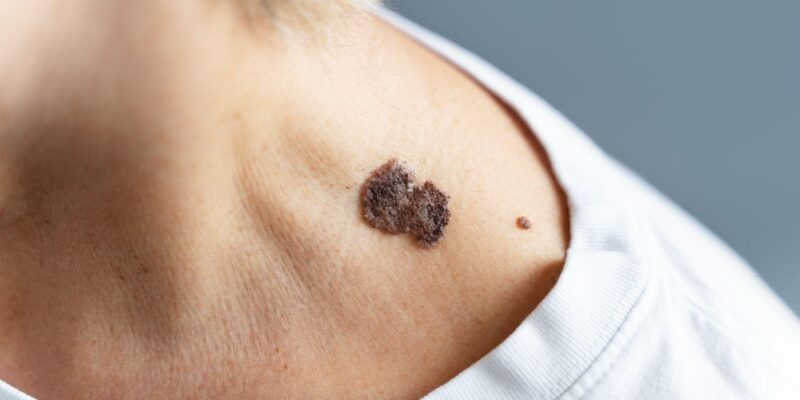
Key Takeaways
- Keloids form through excessive collagen activity, which makes collagen fillers biologically risky in active scars.
- Fillers correct surface depressions, while keloid scar treatment focuses on reducing raised tissue.
- Any filler use near a keloid requires specialist assessment of scar behaviour and long-term stability.
Introduction
Keloid scars behave differently from ordinary scars. Instead of flattening and softening, they continue to thicken and extend beyond the original wound. This behaviour creates frustration for patients who see limited improvement with time alone. In aesthetic practice, fillers commonly restore volume where skin has sunk or collapsed. This overlap in terminology leads some patients to ask whether a collagen filler can smooth the edge of a raised keloid. The question seems logical at first glance. The underlying biology, however, makes filler use in keloid scar treatment a complex and often unsuitable option.
Understanding the Biological Conflict
Keloids develop because the skin produces collagen aggressively after injury. Fibroblasts in keloid-prone skin remain active long after healing should stop. They continue laying down dense collagen fibres that stack vertically and spread outward. This ongoing activity explains why keloids feel firm and why they resist flattening.
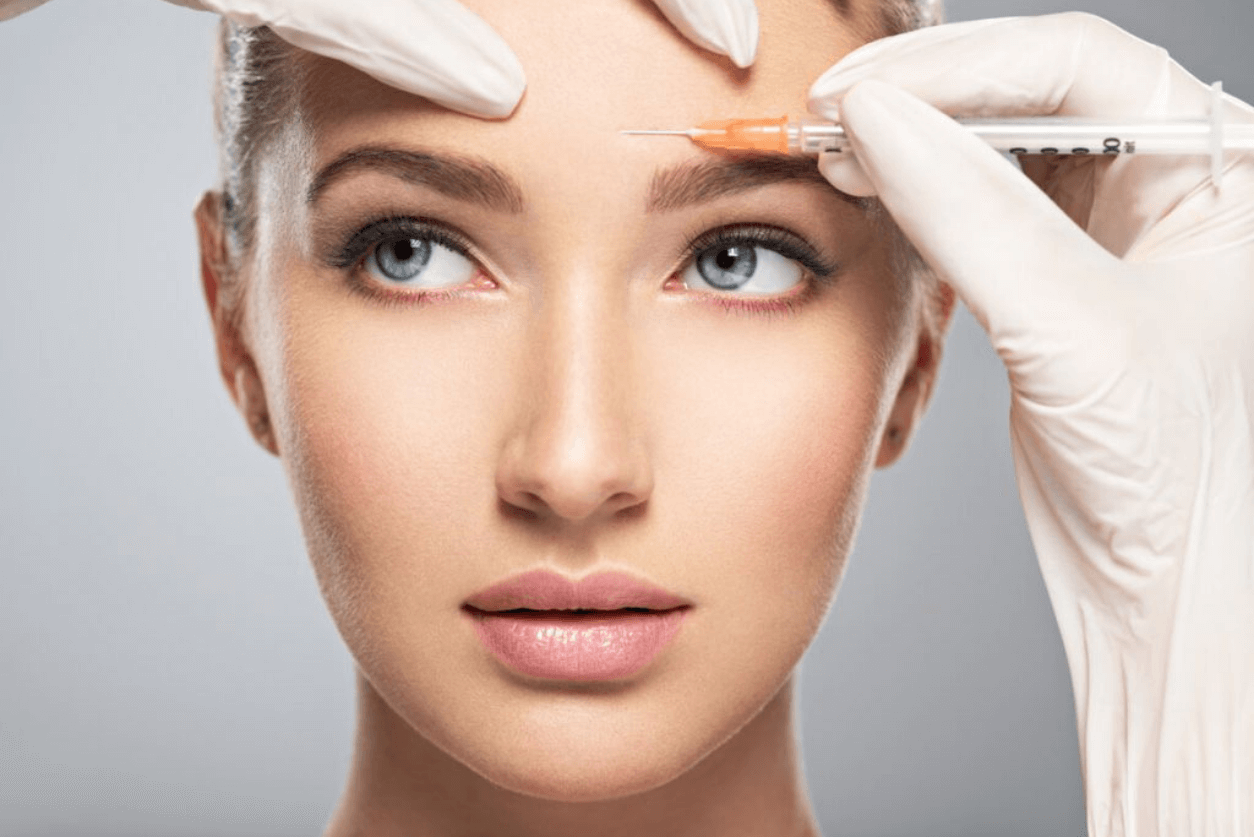
A collagen filler introduces additional biological material into tissue that already overproduces collagen. Even when injected carefully, the filler can act as a stimulus. In keloid-prone skin, that stimulus may provoke further fibroblast activity. Instead of softening the scar, the area can become thicker, more rigid, or larger. This risk places collagen fillers in direct conflict with the goal of keloid scar treatment, which aims to suppress collagen production rather than encourage it.
Why Scar Type Matters
Scar treatment depends on scar structure. Atrophic scars and keloids represent opposite problems. Atrophic scars form when the skin loses support after inflammation or injury. Acne scars commonly fall into this category. Fillers work well in these cases because they replace missing volume and lift the surface to match the surrounding skin.
Keloids and hypertrophic scars involve excess tissue. The scar already protrudes above the skin surface. Introducing filler into a raised scar adds material to an area that does not need volume. This approach increases projection instead of reducing it. Effective keloid scar treatment focuses on shrinking the scar mass through methods such as corticosteroid injections, cryotherapy, pressure therapy, or targeted laser treatment. These interventions aim to slow collagen production and reduce scar height.
Clinical Risks of Using Fillers on Keloids
Doctors avoid placing fillers directly into keloids for several reasons beyond simple volume increase. Injection trauma alone can trigger scar activity. Even a small needle puncture may reactivate fibroblasts in susceptible skin. In addition, fillers can obscure scar boundaries, making it harder to monitor recurrence or progression during follow-up.
Another concern involves inflammation. Some fillers stimulate collagen formation as part of their mechanism. In patients with a history of keloids, this stimulation increases the likelihood of renewed scar growth. Once reactivated, a keloid often responds less predictably to subsequent treatment. For this reason, experienced clinicians approach fillers cautiously in any patient with a known tendency toward abnormal scarring.
Situations Where Fillers May Enter the Discussion
In rare circumstances, doctors may discuss fillers after long-term scar control. This situation applies only when a keloid has remained flat, soft, and inactive for several years. Even then, clinicians avoid injecting filler into the scar itself. Instead, they may address contour irregularities in the surrounding skin if laxity or asymmetry remains after successful scar flattening.
In Singapore, most aesthetic and dermatology specialists prioritise preventing recurrence. They favour conservative management and close monitoring rather than cosmetic correction that risks reactivating scar growth. Patients with a strong keloid history usually receive advice to avoid elective injections in previously affected areas.
Choosing the Right Direction for Treatment
Effective keloid scar treatment starts with controlling scar activity. Doctors assess scar thickness, colour, firmness, and growth pattern before recommending any procedure. Treatment plans often combine several methods over time rather than relying on a single intervention. This approach reflects the unpredictable nature of keloid behaviour.
Patients seeking smoother skin often benefit from understanding that surface appearance comes after biological control. Flattening and softening the scar reduces symptoms such as itching and discomfort. Cosmetic refinement, if appropriate, comes later and only under strict clinical guidance.
Conclusion
Collagen fillers play an important role in aesthetic medicine, but they do not suit active keloid scars. The same collagen response that causes keloids makes filler injections risky in these patients. Keloid scar treatment focuses on reducing excess tissue and suppressing abnormal collagen activity. Anyone considering treatment for raised scars should consult a specialist familiar with keloid behaviour. Careful planning prevents worsening the condition and preserves long-term treatment options.
Contact Veritas Medical Aesthetics to discuss a medically guided plan for keloid scar treatment that prioritises scar control and long-term skin safety.







Comments